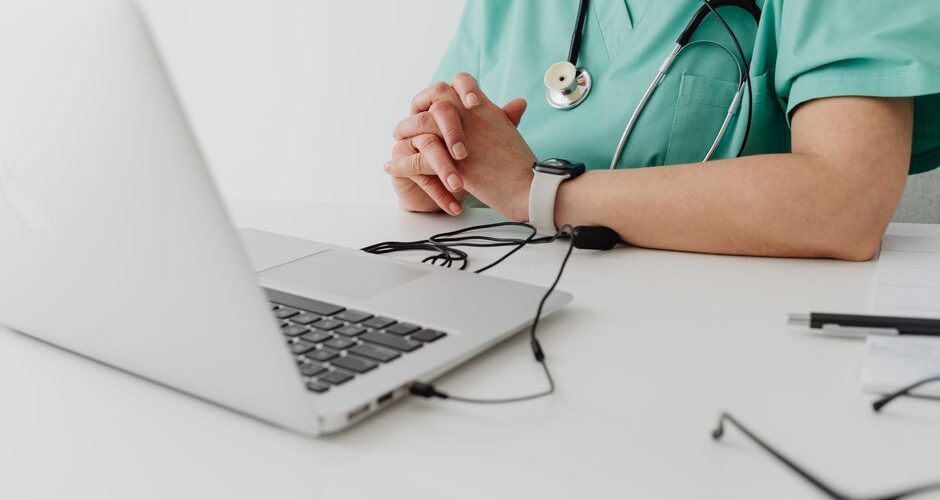
As 2026 unfolds, healthcare is experiencing a revolution unlike any before. Telemedicine, once a mere convenience, has transformed into a vital component of medical infrastructure worldwide. But it’s not just about virtual doctor visits anymore. The most exciting development lies in the emergence of telemedicine communities — digital ecosystems that bring together patients, healthcare providers, and wellness experts, fostering holistic health management.
The Birth of Telemedicine Communities
Years ago, telemedicine was primarily about offering remote consultations. Fast forward to today, we see a shift from isolated interactions to interconnected hubs. These digital platforms offer more than just doctor-patient communications. They are vibrant communities where individuals with similar health conditions can share experiences, obtain guidance, and support one another.
Platforms like HealthHub and WellConnect are leading the charge, boasting millions of users. They provide not just medical consultations, but also access to support groups, mental health resources, and wellness programs. This synergy between technology and community is redefining how we perceive healthcare.
The Role of AI and Data in Personalizing Care
Artificial Intelligence (AI) has played a crucial role in the evolution of these telemedicine communities. By analyzing data from wearable devices and health apps, AI creates personalized health insights. Whether it’s tracking blood sugar levels for diabetics or managing stress for those with hypertension, AI offers tailored advice, ensuring patients receive the most pertinent information for their needs.
Consider the case of Emma Gonzalez, a 32-year-old from Austin, Texas, managing her chronic migraines through a telemedicine platform. With AI-driven insights, Emma receives alerts about potential triggers based on weather changes and stress levels, allowing her to take preventive measures. Her story highlights how AI is not just a tool but a partner in health management.
Accessibility and Affordability
One of the most significant benefits of telemedicine communities is their ability to bridge the gap between healthcare and those who need it most. Remote and rural areas, historically underserved, now have access to a wide array of medical services without the burden of travel. The financial implications are substantial too. With the average cost of a virtual visit being 30-50% lower than a traditional one, these platforms offer an affordable alternative in healthcare access.
Moreover, governments and insurance providers are recognizing the value of telemedicine. By offering subsidies and coverage for virtual consultations, they are making healthcare more accessible and reducing the strain on physical health facilities.
Challenges and Future Prospects
No technological advancement is without its hurdles. Despite the benefits, telemedicine communities face challenges such as data privacy concerns, the need for robust internet infrastructure, and ensuring equitable access for all demographics. However, these hurdles are being addressed with ongoing advancements in encryption technologies and government initiatives aimed at improving digital infrastructure.
The future of telemedicine communities looks promising. We are heading towards a world where these platforms are not just supplementary but central to our healthcare systems. Innovations like virtual reality therapy sessions and AI-driven symptom checkers are just the beginning. As these communities grow, they will play a pivotal role in prevention, diagnosis, and treatment, offering a comprehensive approach to health management.
Practical Takeaway: Joining a Telemedicine Community
For those looking to engage with a telemedicine community, start by identifying platforms that specialize in your specific health needs. Research platforms like HealthHub and WellConnect, and look into their user reviews and expert credentials. Ensure the platform respects privacy norms and offers robust support.
Joining a telemedicine community not only connects you to healthcare professionals but also offers a support network of peers facing similar health challenges. In 2026, healthcare is not just about treatment; it’s about building a network of support and understanding.