The Rise of Autonomous Home Management
Smart homes have evolved impressively over the past few years, and 2026 marks a significant leap in how technology integrates into our living spaces. Unlike the early days of smart lighting and thermostats, today’s AI-driven homes offer a level of autonomy that’s genuinely transformative. Picture waking up to an AI that has already adjusted the room temperature, started brewing your coffee, and even prepped a personalized morning briefing based on your schedule and preferences.
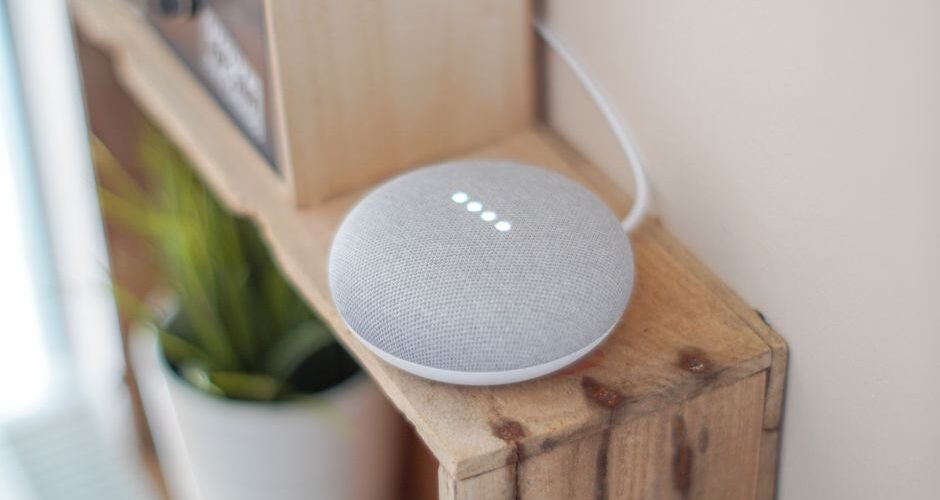
Leading this change are companies like Google Home and Amazon’s Echo, which have moved beyond mere voice commands. These systems now predict needs based on behavior patterns, offering suggestions and automated actions that simplify everyday tasks. For instance, imagine an AI that dims the lights and lowers the music volume as it senses you getting ready for bed—without you saying a word.
Intelligent Energy Management
With climate change concerns at an all-time high, efficient energy use is not just a trend but a necessity. AI in 2026 smart homes plays a pivotal role in conserving energy. Systems like Tesla’s Powerwall have evolved to anticipate energy usage patterns, storing solar energy more effectively, and reducing reliance on non-renewable resources.
AI-driven platforms now optimize energy consumption by learning when you’re most likely to use certain appliances. For example, if your morning routine includes a shower, your home will preheat the water just in time, reducing idle energy waste. The system might also sync with local weather forecasts to adjust heating and cooling systems, ensuring comfort with minimal energy expenditure.
Enhanced Security and Privacy
Security concerns have always been a hurdle for smart home adoption. However, 2026 sees a new wave of AI-driven security solutions that offer enhanced protection without compromising privacy. Companies like Ring and Arlo have integrated machine learning algorithms that distinguish between family members, pets, and potential intruders with remarkable accuracy.
Advanced facial recognition systems now come with privacy-first features, ensuring data remains encrypted and private. In addition, AI systems alert homeowners to suspicious activities without false alarms, thanks to their ability to learn normal patterns of movement within the home.
Interconnected Appliances: The Internet of Things (IoT) at Its Best
The concept of IoT has been around for a while, but 2026 is when it truly comes into its own. Appliances are no longer isolated entities; they communicate and collaborate with each other seamlessly. Your refrigerator suggests recipes based on its contents and communicates with your oven to start pre-heating at the proper time. Meanwhile, your washing machine schedules its cycle to coincide with the solar power peak.
Such interconnected systems not only improve efficiency but also provide a more cohesive and responsive home environment. Major brands like LG and Samsung are leading the charge, offering products that fit into this new ecosystem effortlessly.
AI-Powered Assistants: More Than Just Voice Control
While Siri, Alexa, and Cortana laid the groundwork, 2026’s AI assistants are doing much more than responding to voice commands. These assistants are context-aware, understanding the nuances of human interaction and anticipating needs in real-time.
They can now adapt to mood changes, offering music or suggesting activities based on how you’re feeling. If you seem stressed, perhaps after a hectic workday, your AI could suggest a calming playlist or order dinner from your favorite restaurant. The blend of empathy and efficiency sets this new generation of AI apart, making them not just tools, but partners in everyday life.
Practical Takeaway: Embrace the Future of Living
As we look to the future, it’s clear that AI-driven smart homes are not just a passing trend but the new standard for modern living. Embracing this technology could mean not only more convenience and efficiency but also a more sustainable and secure lifestyle. For anyone considering upgrading their living space, 2026 offers a wealth of opportunities to create a home that truly works for you.