Why Quantum Computing in 2026 Matters More Than You Think
Quantum computing has long been the stuff of science fiction, a tantalizing glimpse into a future where calculations that currently take years could be completed in mere seconds. Fast forward to 2026, and this once-imaginary technology is rapidly becoming a reality, with implications that extend far beyond the confines of a supercomputer lab. Forget everything you thought you knew about computers—quantum computing is rewriting the rules.
Understanding the Quantum Leap
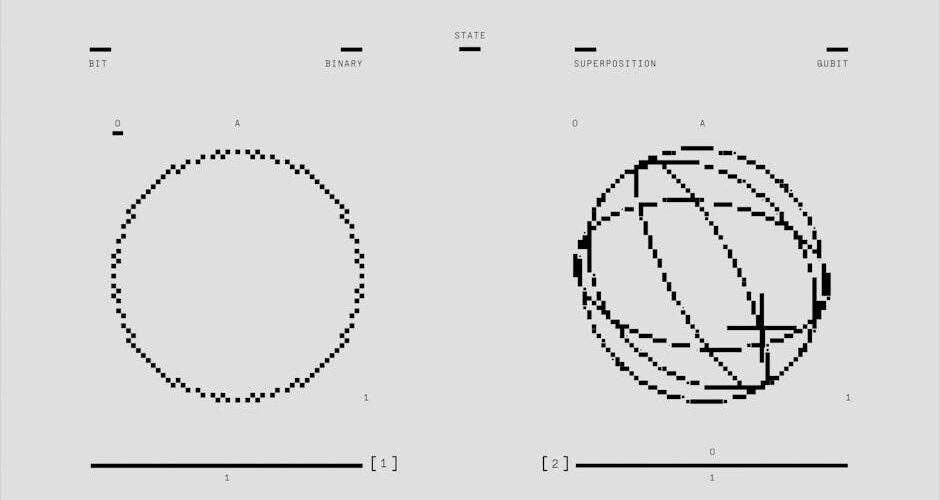
So, what exactly makes quantum computing so special? At its core, the difference lies in how quantum computers process information. Traditional computers use bits, which exist as either 0s or 1s, to perform calculations. Quantum computers, on the other hand, use qubits, which can exist as a 0, 1, or both simultaneously, thanks to the principles of quantum superposition.
This ability to process multiple states at once allows quantum computers to tackle complex problems at an unprecedented speed. In terms of raw computational power, a quantum computer can, in theory, outperform even the fastest supercomputers on the planet.
Revolutionizing Industries
The potential applications of quantum computing are vast and varied, touching nearly every industry imaginable. In pharmaceuticals, for instance, quantum computers are being used to model complex molecules, paving the way for drug discovery processes that are faster and more efficient than ever before. Just last year, a team of researchers at the University of California, Berkeley, successfully used a quantum computer to simulate a complex chemical reaction that had confounded classical supercomputers.
Meanwhile, in finance, quantum algorithms are optimizing portfolios and managing risk with a precision that was unthinkable just a few years ago. Goldman Sachs recently announced a partnership with leading quantum technology firm Rigetti to develop algorithms that could redefine the landscape of financial analytics.
Breaking New Ground in AI
Artificial Intelligence (AI) is another area poised to benefit immensely from quantum computing. Quantum computers have the potential to run machine learning algorithms exponentially faster than classical computers, ushering in a new era of AI capabilities. Consider Google’s quantum supremacy claim back in 2019, where their quantum processor performed a calculation in 200 seconds that would have taken the world’s most powerful supercomputer 10,000 years.
Today, AI-driven platforms are leveraging quantum computing to interpret vast data sets, refine predictions, and facilitate decision-making processes in real-time. This blend of quantum and AI is transforming sectors as diverse as healthcare, where AI can predict patient outcomes more accurately, and logistics, where it optimizes supply chains with unparalleled efficiency.
Addressing Cybersecurity Challenges
As quantum computing evolves, so too do the challenges it poses—most notably in the realm of cybersecurity. Quantum computers have the potential to crack encryption standards that currently keep our data secure, a prospect that has cybersecurity experts on high alert.
However, this same threat is driving innovation in quantum cryptography, a new field that promises unbreakable encryption techniques. The European Union’s Quantum Flagship initiative is investing billions to develop quantum-safe encryption standards that could protect sensitive information against even the most advanced quantum attacks.
The Global Race for Quantum Supremacy
The geopolitical landscape of technology is shifting as countries race to achieve quantum supremacy. China, the United States, and the European Union are investing heavily in quantum research and development, viewing it as a critical component of national security and economic competitiveness.
In 2025, China launched the world’s first integrated quantum satellite network, highlighting its commitment to becoming a leader in quantum communications. Meanwhile, the U.S. government has poured more than $2 billion into quantum initiatives, signaling that the race for quantum dominance is only just beginning.
Practical Takeaway: Embrace the Quantum Era
As we move through 2026, the message is clear: quantum computing is not just a distant promise; it’s a rapidly approaching reality with the power to transform the world. From revolutionizing industries and enhancing AI capabilities to reshaping cybersecurity and influencing global politics, the implications are profound.
For businesses and individuals alike, the key is to stay informed and adaptable. Those who understand and embrace the quantum era will be best positioned to leverage its potential, harnessing the power of quantum computing to drive innovation and unlock new opportunities.