How to Secure Your Smart Home in 2026: A Complete Guide
The smart home revolution is in full swing as we find ourselves in 2026. With everything from refrigerators to doorbells connected to the internet, smart homes offer unprecedented convenience and efficiency. But with this connectivity comes a growing need for robust security measures. Just as you wouldn’t leave your front door unlocked, you can’t afford to leave your smart devices unprotected.
Understanding the Risks
Before diving into solutions, it’s essential to understand the risks you might face. The modern smart home can be an inviting target for cybercriminals. According to a report by Cybersecurity Ventures, cybercrime is expected to inflict damages of up to $10.5 trillion annually by 2025. With smart devices often storing sensitive data, a breach can lead to significant personal and financial loss.
Consider the case of the 2025 breach on a major smart thermostat brand, which left millions of homes vulnerable when hackers exploited a firmware flaw. Understanding these risks underscores the importance of proactive security measures.
Secure Your Network
Your home network is the gateway for all your smart devices. Securing it should be your top priority. Start by changing the default settings on your router. Many routers come with default usernames and passwords that are easily exploitable, so personalize these details to something complex and unique.
- Enable Network Encryption: Ensure your Wi-Fi network uses WPA3 encryption, the latest and most secure standard.
- Separate Networks: Create a separate network for your smart devices. This practice ensures that even if one device is compromised, your personal devices remain protected.
- Update Firmware Regularly: Stay vigilant with updates, as manufacturers often release patches to address vulnerabilities.
Device Authentication and Password Management
Strong authentication measures are vital. Enable two-factor authentication (2FA) whenever possible. It adds an extra layer of security by requiring a second form of verification alongside your password, significantly reducing the risk of unauthorized access.
Speaking of passwords, keeping track of strong, unique passwords for every device can be daunting. Password managers like LastPass or Bitwarden help in generating and storing complex passwords securely. Never reuse passwords across devices to limit the damage a single breach can cause.
Invest in a Smart Home Security System
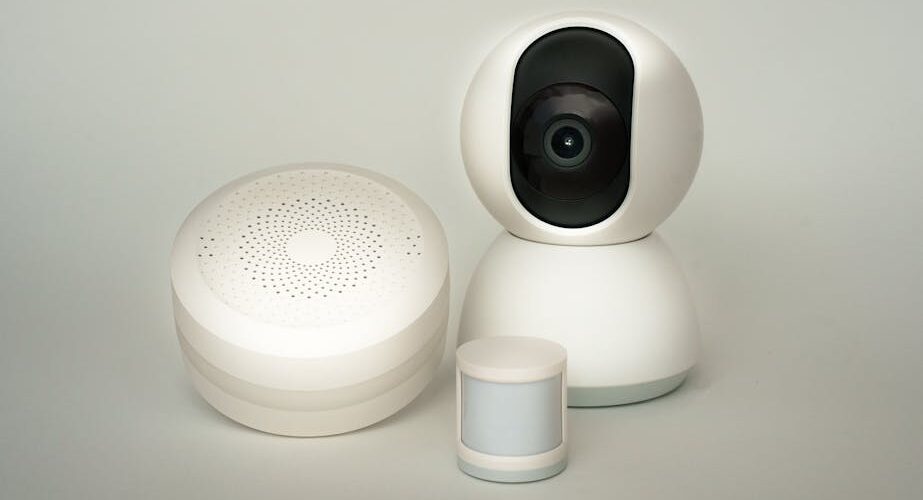
Smart home security systems have evolved significantly. Companies like Ring, Nest, and Arlo offer integrated systems that include cameras, motion sensors, and alarms, all controllable through your smartphone. Choose a system that offers real-time alerts and robust encryption to safeguard your data.
In 2026, many home security systems incorporate AI to detect unusual activity and can even recognize familiar faces. This technology not only enhances security but also minimizes false alarms, enhancing the overall user experience.
Privacy Settings and Data Management
Understanding your privacy settings is another critical component of securing your home. Many devices collect data to improve functionality, but it’s crucial to limit what’s shared. Regularly review and update these settings to ensure you’re only sharing necessary information.
Moreover, be mindful of where your data is stored and how long it’s kept. Opt for devices and services that offer local storage options rather than cloud storage when possible, reducing the risk of data breaches.
Educate and Involve Your Household
Your home’s security is only as strong as its weakest link. It’s essential to involve everyone in your household in security practices. Educate family members about the importance of not clicking suspicious links or downloading unknown apps. Encourage them to report any unusual activity immediately.
Consider hosting monthly family meetings to discuss any updates or changes to your smart home setup. Keeping everyone informed and engaged ensures a unified approach to home security.
The smart homes of 2026 offer incredible conveniences, but with them come substantial responsibilities. By understanding potential risks and implementing robust security measures, you can enjoy the benefits of your connected home without compromising safety. Remember, security is a continuous process, requiring regular updates and involvement from every household member.