The Role of 5G in 2026’s Internet of Things
As we step deeper into the digital age, the Internet of Things (IoT) continues to redefine how we interact with technology. By 2026, IoT has become an integral part of everyday life, and at the heart of this transformation is the power of 5G technology.
The Backbone of Modern Connectivity
5G technology is more than just an upgrade from 4G. It’s a revolutionary leap in how devices connect and communicate. With speeds up to 100 times faster than its predecessor, 5G offers unprecedented data transfer rates, reducing latency to mere milliseconds. This speed is crucial for IoT devices, which often require real-time data processing.
In Tokyo, for instance, 5G-enabled smart traffic systems now optimize traffic flow in real time, significantly reducing congestion and improving commuter experience. Such systems are just one example of how 5G is enabling smarter cities and more efficient infrastructure.
Enhancing Healthcare Through IoT
The healthcare sector has seen remarkable advancements thanks to the combination of IoT and 5G. Remote patient monitoring has become increasingly common, allowing for efficient and effective healthcare delivery. In rural areas of the United States, where access to healthcare facilities can be limited, 5G-powered IoT devices enable doctors to monitor patients’ vitals in real-time, providing timely interventions when necessary.
Wearable devices now offer continuous health monitoring, sending data directly to healthcare providers. This constant stream of information helps in early diagnosis and personalized treatment plans, ultimately saving lives.
Revolutionizing Industry and Manufacturing
The industrial sector is perhaps one of the biggest beneficiaries of the 5G-IoT synergy. Factories in Shenzhen are using 5G to implement IoT networks that connect machinery, sensors, and workers. This connectivity allows for predictive maintenance, which saves billions in downtime costs by addressing equipment issues before they become major problems.
Furthermore, the enhanced bandwidth and low latency of 5G enable the use of autonomous robots within these factories, performing complex tasks with precision and efficiency, further streamlining production processes.
Driving Innovations in the Automotive Sector
5G is also paving the way for a new era in the automotive world. Self-driving cars, once a futuristic concept, are now a reality on the roads of California, all thanks to the real-time data processing capabilities of 5G networks. These vehicles rely on a myriad of sensors and IoT devices to navigate, detect obstacles, and communicate with other vehicles and infrastructure.
This level of connectivity makes roads safer and more efficient, reducing accidents and improving traffic flow. The seamless communication facilitated by 5G is critical in ensuring that autonomous vehicles can operate safely and effectively.
Smart Homes and Personal Devices
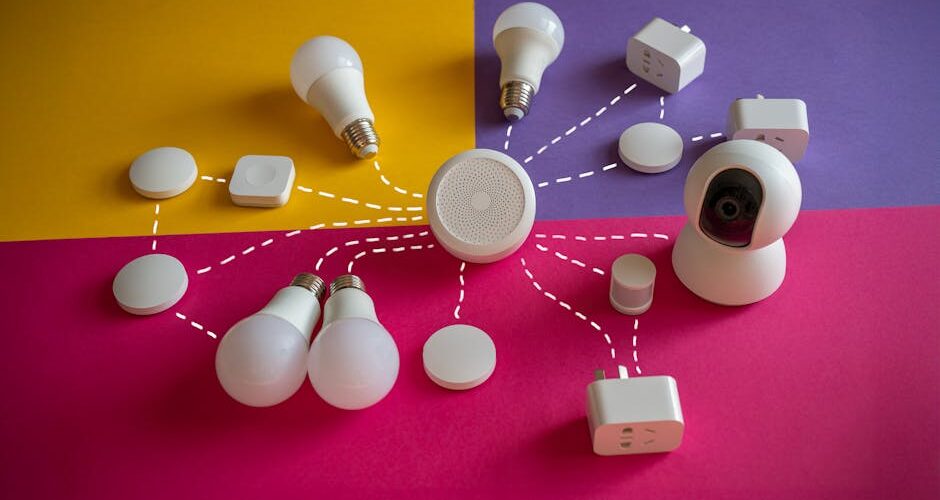
On a more personal level, our homes have become smarter and more responsive. With 5G, smart home devices are no longer just convenient gadgets; they are becoming necessary tools. In Seoul, households equipped with 5G-connected IoT devices enjoy seamless automation. From refrigerators that track food inventory to energy systems that optimize electricity usage, the integration of 5G in home networks enhances convenience and sustainability.
Smart speakers, security systems, and even vacuum cleaners now communicate at lightning speeds, delivering on the promise of a truly connected home.
Practical Takeaway: Embrace the 5G Revolution
As 5G continues to expand its reach, the capabilities of IoT devices will only grow in tandem. For businesses and individuals alike, the implications are vast. The key takeaway here is to stay informed and adaptable, embracing these technologies to improve efficiency, enhance security, and enrich daily life. Whether it’s in healthcare, industry, or at home, 5G is set to be a defining pillar of our increasingly interconnected world.