The Rise of Solar-Powered Devices
As we cruise through 2026, it’s clear that solar-powered gadgets are no longer just a niche market. Instead, they’ve become a staple in our tech ecosystem. With advancements in solar technology, devices are harnessing the sun’s energy more efficiently than ever before. Gone are the days when solar panels were bulky and unattractive. Now, they’re sleek, compact, and integrated into everything from smartphones to laptops.
Key Benefits of Going Solar
Switching to solar-powered gadgets offers numerous perks beyond just reducing your carbon footprint. Firstly, it decreases dependency on traditional charging infrastructure. Imagine charging your devices anywhere the sun shines: on a camping trip, at the beach, or even during a power outage. Secondly, solar technology is incredibly cost-effective in the long run. While the initial investment might be higher, think of the savings on electricity bills over the years.
Top Solar Gadgets of 2026
- Solar-Powered Smartphones: Brands like SolarZen and SunFone have pushed the boundaries by integrating advanced photovoltaic cells into their smartphone designs. These devices can charge fully within 3 hours of direct sunlight.
- Portable Solar Chargers: Companies such as SolarBoost have developed foldable solar chargers that fit in your backpack yet charge your tablet in just 2 hours under the sun.
- Solar-Powered Laptops: With brands like SunnyTech leading the charge, solar-powered laptops can now deliver up to 10 hours of usage from a single charge, making remote working even more flexible.
- Wearable Solar Tech: From smartwatches to fitness bands, wearable tech is seeing a surge in solar integration, allowing users to track steps and health metrics without ever worrying about losing power.
Challenges and Innovations
While the solar trend is gaining momentum, it’s not without challenges. One significant hurdle is the efficiency of solar cells in low-light conditions. However, companies are rising to the occasion with innovations like the development of hybrid solar cells that work in both sunny and cloudy environments. In addition, there’s been a push for more sustainable materials in solar cell production, further aligning with eco-friendly goals.
The Future of Solar Tech
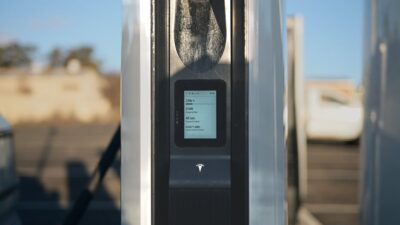
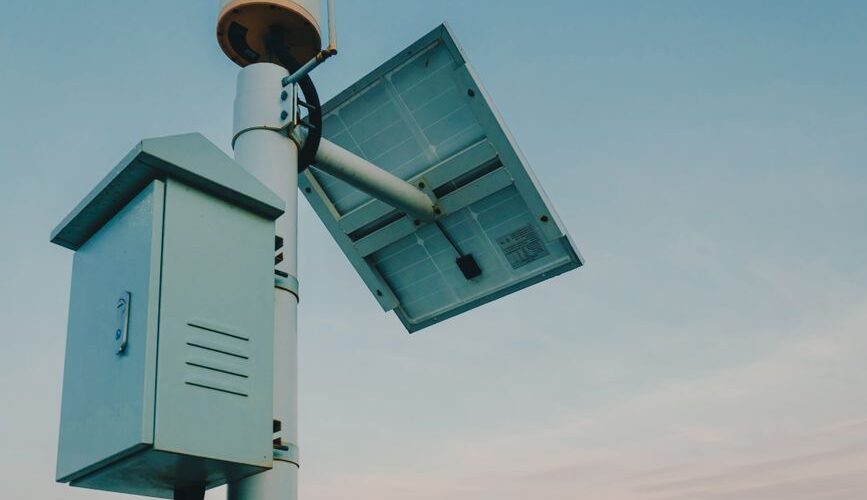
Looking forward, the next frontier for solar-powered gadgets is integration with smart cities. Urban planners in cities like San Jose and Amsterdam are already experimenting with public charging stations powered by solar energy, making it easier for residents to charge devices on the go. Moreover, the continuous miniaturization of solar tech hints at possibilities we’ve only dreamt of; think solar-integrated clothing or even solar-powered implants.
Practical Takeaway: As we embrace solar-powered technology, consider gradually integrating these devices into your daily life. Start with a portable solar charger or a solar-powered smartphone. Not only will you be reducing your ecological impact, but you’ll also experience the freedom of charging anywhere under the sun. It’s a bright future for solar tech, and 2026 is just the beginning.