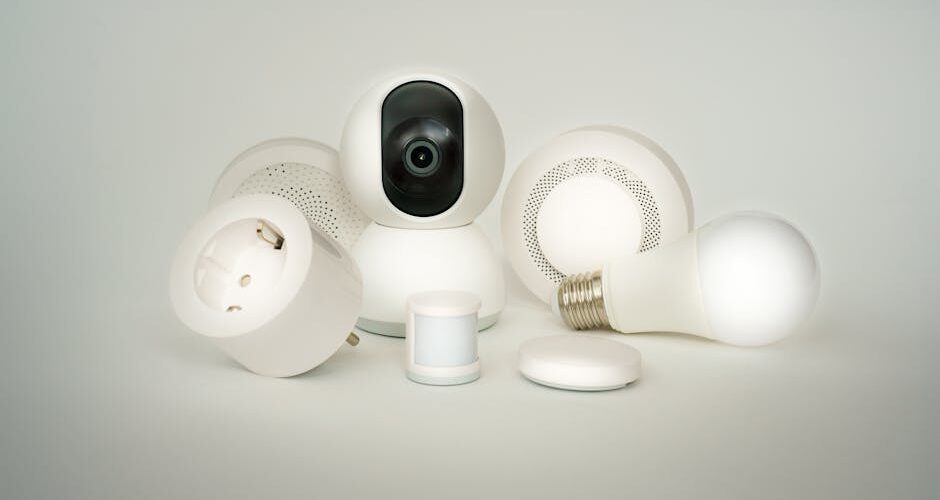
How to Protect Your Digital Privacy in the Age of IoT
In 2026, the Internet of Things (IoT) permeates nearly every facet of our lives. From smart homes in San Francisco to connected vehicles cruising the streets of London, IoT devices are everywhere. They bring immense convenience but also raise significant concerns about digital privacy. How can we safeguard our personal information while enjoying the benefits of this interconnected world?
Understanding IoT Threats
Before we jump into protective measures, it’s crucial to recognize the potential threats that come with IoT devices. These gadgets, whether they are smartwatches, voice assistants, or even connected refrigerators, often collect vast amounts of personal data. This data, if not adequately protected, can become a goldmine for hackers.
Consider the infamous Mirai botnet attack of 2016, which exploited insecure IoT devices to launch a massive denial-of-service attack. Fast forward to 2026, and cybercriminals have become even more sophisticated. They can manipulate unprotected devices to mine data, track movements, or even hijack security systems.
Adopt Strong Password Practices
Passwords are the first line of defense against unauthorized access. Yet, a shocking number of IoT devices ship with default passwords that many users neglect to change.
- Unique and Complex: Avoid using common or easy-to-guess passwords. Instead, opt for a combination of letters, numbers, and symbols. A password manager can help generate and store these securely.
- Two-Factor Authentication (2FA): Whenever possible, enable 2FA. This adds an extra layer of security by requiring a second form of verification, like a text message or an authentication app, alongside your password.
Regularly Update Your Devices
Device manufacturers frequently release firmware and software updates that patch security vulnerabilities. Ignoring these updates can leave your devices exposed to potential threats.
Automatic Updates: Enable automatic updates on your devices to ensure they receive the latest security patches without delay. For devices that don’t support automatic updates, set a reminder to check for updates manually every month.
Consider the breach of a major fitness tracker brand in 2024, which could have been prevented had users updated their devices promptly. Staying on top of updates is a simple but effective step in maintaining your digital privacy.
Network Security Measures
Your home network is the gateway through which all your IoT devices connect to the internet. Securing it should be a top priority.
- Secure Your Wi-Fi: Change the default login credentials of your router and use a strong, unique Wi-Fi password. WPA3 encryption is recommended for its enhanced security features.
- Guest Network: Set up a separate guest network for visitors. This keeps your main network private and adds a layer of security by isolating unfamiliar devices.
Furthermore, consider investing in a firewall that can monitor and block suspicious traffic. Such measures can prevent unauthorized access and potential data breaches.
Manage Device Permissions
Many IoT devices request permissions that are far beyond what they reasonably need to function. This excessive data collection can compromise your privacy.
Regularly review and adjust the permissions granted to your devices. Ask yourself if a smart light bulb really needs access to your microphone or if your fitness tracker needs to know your location 24/7. Limiting permissions to only what is necessary reduces the potential data exposure.
A Practical Takeaway
In our connected world, digital privacy is a shared responsibility. While IoT devices offer incredible convenience, they also require us to be vigilant about our security practices. By adopting strong passwords, keeping devices updated, securing networks, and managing permissions, you can enjoy the benefits of IoT without compromising your privacy.
As the landscape of technology continues to evolve, staying informed and proactive will be your best defense. Remember, your digital privacy is invaluable—protect it with the diligence it deserves.