Wearables: The New Health Companions
In 2026, wearable technology has evolved from simple fitness trackers to comprehensive health management systems worn on the wrist, eye, or even as clothing. With global sales expected to surpass 500 million units this year, wearables are not just a trend; they’re a lifestyle essential. These devices are transforming how we approach personal health, making it easier than ever to track, analyze, and optimize our bodily functions in real-time.
Consider the latest version of the Apple HealthGlove, equipped with sensors that can monitor a range of vital signs, from blood glucose levels to emotional stress indicators. These gadgets are not only gathering data but are now capable of providing personalized health recommendations tailored to your body’s unique needs.
Smart Fabrics: Beyond Fitness Tracking
Traditional fitness trackers have paved the way for smart fabrics, which are gaining popularity for their ability to provide comprehensive health insights. Companies like Athos and UnderArmour have developed clothing lines embedded with sensors that track muscular effort, balance, and body posture. This technology is especially beneficial for athletes and physical therapy patients, allowing them to improve performance and reduce the risk of injury.
Smart fabrics are not just limited to clothing. Bedsheets with embedded sensors are becoming common, helping track sleep patterns and provide feedback for better rest and recovery. The integration of technology into textiles means our very clothing and sleep environments are now smarter and more beneficial to our health.
Augmented Reality Glasses and Mental Health
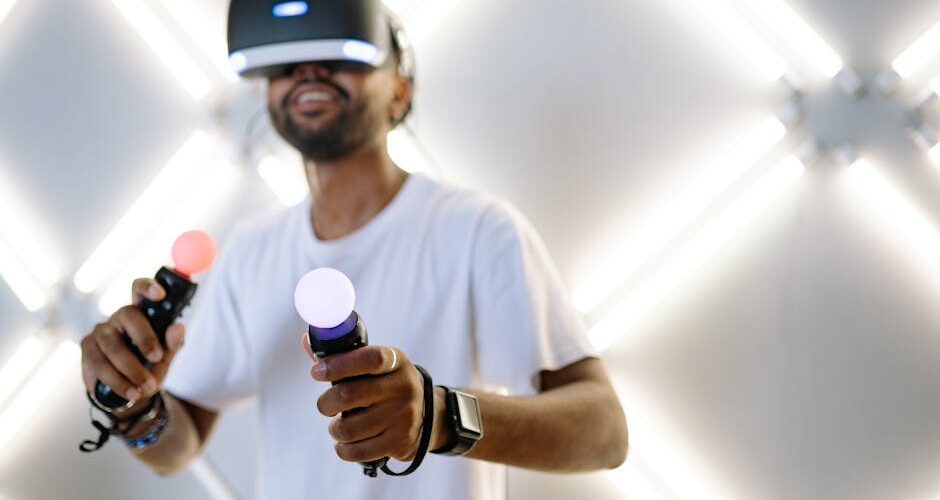
One of the most exciting developments in wearables is the integration of augmented reality (AR) glasses with mental health applications. The AR glasses market is projected to grow by 150% in 2026, driven by their capacity to offer immersive therapy sessions and mindfulness exercises. Companies like Mindscape are pioneering AR-based cognitive-behavioral therapy (CBT), providing users with real-time stress relief techniques and meditative experiences right before their eyes.
This technology is particularly impactful for those suffering from anxiety and PTSD, as users can engage in calming virtual environments or guided therapy sessions from the comfort of their homes, removing barriers to accessing mental health resources.
Integration with Telemedicine
Wearables are increasingly being integrated with telemedicine, offering a seamless way for doctors to monitor patients from afar. This integration is crucial for managing chronic conditions such as diabetes and cardiovascular diseases. Devices like the Fitbit Sense and Oura Ring are now compatible with popular telehealth apps, allowing healthcare providers to access patient data in real-time, thereby improving diagnostic accuracy and treatment efficacy.
Doctors can monitor patient metrics continuously and adjust treatment plans dynamically, enhancing patient outcomes without the need for frequent in-person visits. This remote monitoring capability has proven invaluable in managing population health, especially in rural and underserved areas.
Privacy Concerns and Data Security
As wearable tech becomes more ingrained in our daily lives, privacy concerns and data security are critical issues. In 2026, legislation around wearable data privacy has tightened, with governments worldwide imposing strict regulations to protect consumer data. Companies are investing heavily in secure data storage solutions and encryption technologies to ensure user data is protected from breaches.
However, users must remain vigilant and informed about the permissions they grant these devices. Transparency in how data is used and shared is becoming a key factor in choosing wearable devices, and manufacturers are making efforts to provide clearer privacy policies and user agreements.
Practical Takeaway
Wearable technology is redefining personal health management in 2026, offering unprecedented insights into our bodily functions and personalizing healthcare like never before. While the benefits are immense, users should remain informed about privacy implications and be proactive in managing their health data. As wearables become more sophisticated, they hold the promise of a healthier, more informed future for all.