Why Biometric Security Is Dominating 2026
Biometric security has surged to the forefront of digital protection methods in 2026, captivating industries and individual users alike with its unique blend of convenience, accuracy, and advanced technology. This wave of biometric integration isn’t just a passing trend but a revolution that reshapes how we interact with technology daily.
Rising Demand for Personal Security
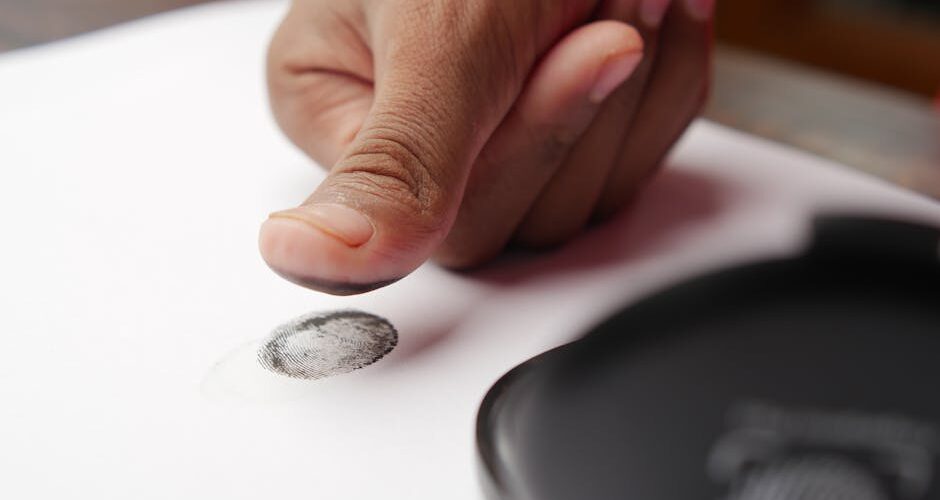
The world has become increasingly digitized, and with this shift, the need for more reliable security has skyrocketed. Cyber threats are more sophisticated than ever, and traditional passwords and PINs seem archaic in the face of complex hacking attempts. This is where biometrics comes in. By using unique biological characteristics that are nearly impossible to replicate, such as fingerprints, facial recognition, and even iris patterns, biometric security provides a formidable barrier against unauthorized access.
According to a recent report from IDC, biometric security solutions have seen a 75% adoption rate increase in just the past two years. Many companies are opting for multifactor authentication that includes biometric elements, making it incredibly difficult for cybercriminals to bypass systems. For instance, in San Francisco, tech firms are using voice recognition in combination with fingerprint scanning to secure sensitive data, a move that has reduced fraud cases by 40%.
Convenience Meets Cutting-Edge Technology
Beyond security, one of the primary reasons for the rise of biometrics is sheer convenience. No longer do users need to remember complex passwords or keep track of security tokens. You are your password. By simply looking at a device or placing a finger on a scanner, you can unlock a world of information. This seamless integration into everyday life is a significant factor driving the adoption of biometric technology.
Both Apple and Samsung have been at the forefront of this movement, incorporating facial recognition and fingerprint sensors into their devices since the early 2020s. By 2025, more than 85% of smartphones sold have some form of biometric capability. These features are no longer limited to top-of-the-line models; even mid-range devices offer these advanced security options, democratizing access to high-tech security.
The Role of Artificial Intelligence
Artificial Intelligence (AI) plays a crucial role in enhancing biometric systems. AI algorithms have become adept at improving identification processes, learning and adapting to subtle changes in users’ biometrics over time. This ability to learn and predict has made biometric systems more robust and less prone to errors.
In Tokyo, for instance, AI-powered biometric systems are used in airports to expedite passenger processing. The system can process up to 15 passengers per minute, significantly reducing wait times while maintaining security standards. This technology not only enhances user experience but also ensures that security measures are not compromised.
Privacy Concerns and Ethical Considerations
Despite the advantages, biometric security has raised several privacy concerns. The collection and storage of sensitive biological data require stringent regulations to protect against misuse. Countries like Germany have implemented strict data protection laws, ensuring that biometric data is stored with the utmost care and used only with explicit consent.
Moreover, ethical considerations surround biometric data usage. Instances of misuse could lead to severe consequences, including identity theft and unauthorized surveillance. Organizations must navigate these waters carefully, balancing the undeniable benefits of biometric security against potential ethical pitfalls.
Future Prospects in Biometric Innovations
Looking ahead, the biometrics industry is poised for even more innovation. Emerging technologies such as DNA-based identification are on the horizon, promising unprecedented levels of security. Moreover, the integration of biometric systems with blockchain could offer secure, decentralized databases for storing biometric data, enhancing both security and user trust.
In New York, a startup is experimenting with heartbeat pattern recognition, a unique biometric marker that is nearly impossible to replicate. This innovation could soon become mainstream, offering an additional layer of security that further cements the dominance of biometric solutions in the security landscape.
Practical Takeaway: Embracing a Biometric Future
As we continue to integrate digital solutions into our lives, embracing biometric security seems not only practical but necessary. Organizations and individuals must stay informed about the latest developments, weighing the benefits against potential risks. By understanding and adapting to this evolving landscape, users can enjoy a more secure and convenient digital world.