The New Dimension of Learning
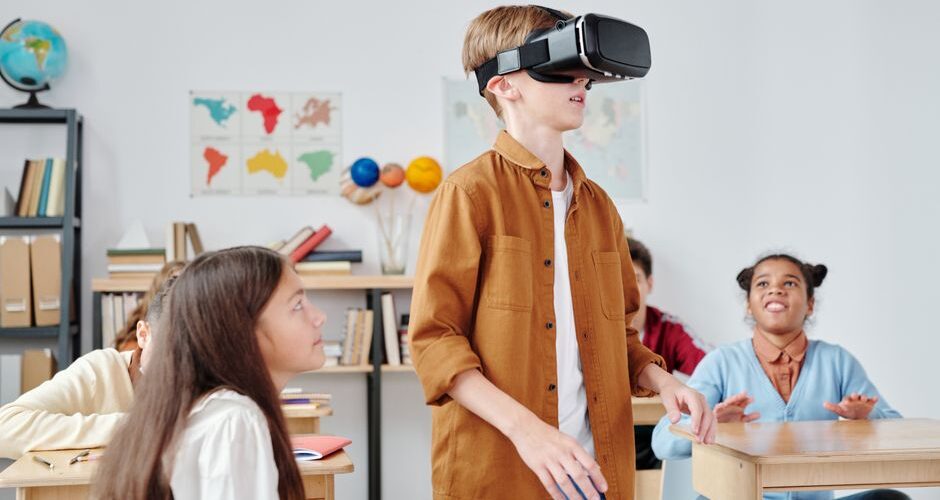
Virtual Reality (VR) has come a long way from its nascent stages in gaming and entertainment. Now, in 2026, it’s rapidly transforming the educational landscape. Imagine students exploring the depths of the ocean or walking through ancient Roman streets without leaving their classrooms. With VR, this is no longer a futuristic dream but an everyday reality.
How VR is Reshaping Traditional Classrooms
One of the most compelling aspects of VR in education is its ability to make learning immersive and interactive. Traditional classrooms often rely on textbooks and lectures, which can limit engagement. VR, however, provides a multisensory approach, facilitating a deeper understanding of complex subjects. For instance, a biology class can suddenly become an immersive dive into the human body, allowing students to observe cellular processes in action. This level of engagement helps in retaining information and fosters a curious mindset among learners.
Breaking Barriers: Accessibility and Inclusion
VR technology is also leveling the playing field for students with disabilities. In a VR classroom, physical limitations are transcended. Students who might find it challenging to participate in traditional field trips can now experience them virtually. This inclusivity ensures that every student, regardless of their physical abilities, has equal access to the same quality of education.
Global Learning Communities
VR classrooms are not just limited to interactions within a single school. They are fostering global learning communities. Imagine a history class where students in New York collaborate in real-time with students in Tokyo, exploring World War II sites together. These interactions promote cultural exchange and broaden perspectives, preparing students for a globalized world.
The Future of VR in Education
The potential of VR in education is vast and still evolving. As technology advances, we can expect even more sophisticated VR experiences. Companies are already developing AI-driven VR tutors that can provide personalized feedback and assistance to students, tailoring lessons to their learning pace and style. Additionally, VR is expected to play a crucial role in vocational training, allowing students to practice skills in a safe, controlled environment.
Practical Takeaway: Integrating VR in Schools
Schools looking to integrate VR into their curricula should start by identifying key areas where VR can complement traditional teaching methods. Investing in affordable VR headsets and collaborating with VR content developers can make this transition smoother. Additionally, training teachers to effectively use VR tools is essential for maximizing the benefits of this technology.