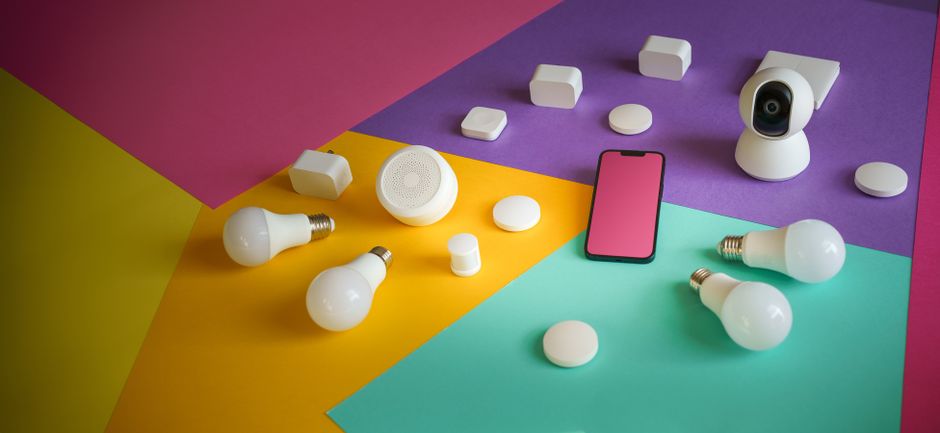
The Smart Home Ecosystem: A Symphony of Devices
Welcome to 2026, where our homes are no longer just shelters but intelligent ecosystems. Imagine waking up to a house that anticipates your every need—lights adjust to your morning routine, your coffee brews itself, and your favorite news podcast plays softly in the background. This smart home revolution is not just about convenience; it’s about creating an environment that intuitively understands and adapts to our lifestyles.
The backbone of this transformation is the integration of Internet of Things (IoT) devices, which communicate seamlessly, making our environments more responsive and efficient. From thermostats to security systems, the era of isolated smart appliances is fading away, making room for a comprehensive, interconnected network.
AI-Powered Personal Assistants: The New Household Companions
Today’s smart homes are ushered by advanced AI-powered personal assistants that are more than just voice-activated devices. These assistants have grown beyond simple task execution and are now capable of learning users’ habits and preferences to offer personalized experiences. Whether it’s planning your day, suggesting recipes based on your refrigerator’s contents, or even managing your home’s energy consumption, these AI companions are central to the enhanced living experience of 2026.
Companies like Amazon, Google, and emerging startups are continuously pushing the boundaries, integrating new AI functionalities that predict needs before they arise. These assistants are not confined to a single device but are woven into the fabric of home automation systems, making them accessible from any corner of your home.
Security and Privacy: A Delicate Balance
With the rise of connected homes comes the inevitable concern of security and privacy. As our homes become smarter, they also become more vulnerable to cyber threats. In response, 2026 has seen significant advancements in cybersecurity measures specifically tailored for smart homes. Biometric authentication, blockchain technology, and encrypted communication channels are now standard in protecting personal data and ensuring secure device interaction.
Furthermore, consumers are now more informed and cautious about their privacy settings, demanding transparency and control over their data. This shift has compelled companies to develop more user-friendly interfaces that allow homeowners to manage their privacy settings with ease.
The Role of Renewable Energy in Smart Homes
As sustainability becomes a core focus, smart homes are increasingly integrating renewable energy solutions. Solar panels, wind turbines, and even home-based energy storage systems are becoming commonplace, allowing homeowners to not only reduce their carbon footprint but also lower their energy costs. In 2026, the smart home is not just connected but also self-sufficient.
Innovative companies are developing systems that optimize energy consumption by analyzing patterns and adjusting usage in real-time. Smart grids enable homes to efficiently use and store energy, making it possible to sell excess energy back to the grid or share it with neighbors, fostering a community-centric approach to sustainability.
The Future: Customization and Personalization
The future of smart homes lies in customization. As each individual’s needs differ, homes will increasingly offer tailor-made experiences. From customizable room lighting and temperature settings to personalized entertainment systems and customized health monitoring, the possibilities are vast.
Startups are driving this trend by offering modular devices that can be easily integrated and customized to fit the unique lifestyle of each homeowner. This not only enhances user experience but also allows for scalable solutions, making smart home technology accessible to a broader range of consumers.
Practical Takeaway: Embrace the Change
As we navigate the smart home revolution of 2026, the key is to embrace the change and explore the endless possibilities it offers. Start small, perhaps with a smart thermostat or a security system, and gradually build your ecosystem. By doing so, you can enjoy a home that is not only convenient and secure but also personalized and sustainable.