The Rise of Electric Vehicles in 2026
The revolution of electric vehicles (EVs) has become an undeniable force in 2026, reshaping the automotive landscape with its powerful momentum. What once seemed like a futuristic concept is now a mainstream reality, with global sales of EVs surpassing 14 million units according to the International Energy Agency. Gone are the days when electric cars were seen as mere novelties or niche products. Today, they have become essential components of everyday life, driven by advancements in technology, affordability, and the urgent need for sustainable transportation options.
Technology Advancements Driving Change
Technological advancements have played a pivotal role in the widespread adoption of electric vehicles. In 2026, the industry has witnessed groundbreaking innovations that have elevated the driving experience. One such advancement is the increase in battery efficiency, with lithium-silicon batteries providing greater range and faster charging times. The average EV range now comfortably exceeds 400 miles on a single charge, putting range anxiety to rest for most consumers.
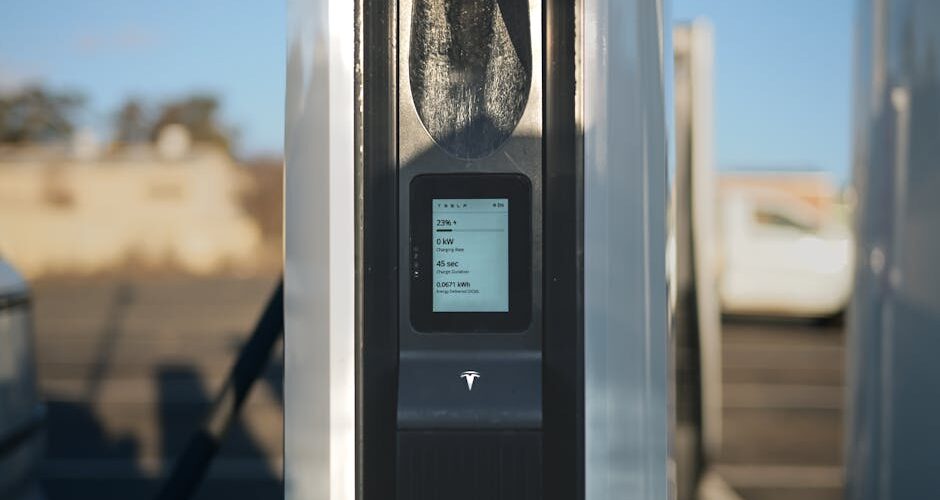
Moreover, charging infrastructure has expanded significantly. In the United States alone, there are now over 150,000 publicly accessible charging stations. The introduction of ultra-fast chargers capable of delivering 300 miles of range in under 10 minutes has made EVs more convenient than ever. This expanding network of charging points is complemented by smart grid technology, ensuring efficient energy distribution and reduced peak demand.
The Global Market Landscape
As the EV market flourishes, regional dynamics paint a diverse picture. China remains the largest market, accounting for nearly 40% of global EV sales. Their aggressive policies and investments in EV technology have positioned them as leaders in this space. Europe follows suit, with countries like Norway and Germany leading the charge in terms of penetration rates, thanks to robust incentives and regulatory support.
In North America, the United States has seen a significant uptick in EV adoption, driven by federal subsidies and state-level incentives. California, in particular, leads the nation with an ambitious goal to phase out the sale of new gasoline-powered vehicles by 2035. Meanwhile, Canada is not far behind, with similar targets and a growing interest in homegrown EV manufacturing.
Top Electric Vehicle Models in 2026
The year 2026 has brought with it a plethora of exciting electric vehicle options. Here are some of the standout models capturing attention:
- Tesla Model Y: Continues to be a favorite among consumers, thanks to its impressive range, advanced autonomous features, and sleek design.
- Ford F-150 Lightning: The electrified version of America’s best-selling truck is a game-changer, offering rugged performance without compromising on sustainability.
- Rivian R1S: This all-electric SUV is making waves with its off-road capabilities and luxurious interior, appealing to a more adventurous demographic.
- Nissan Ariya: Known for its affordability and cutting-edge technology, the Ariya is a strong contender in the compact SUV segment.
Environmental and Economic Impact
The shift towards electric vehicles has profound implications for both the environment and the economy. By 2026, it is estimated that EVs are responsible for reducing global carbon emissions by over 500 million metric tons annually. This is equivalent to the carbon footprint of several mid-sized countries combined.
Economically, the EV industry has created millions of jobs worldwide, from manufacturing and engineering to renewable energy and infrastructure development. This shift is not only reshaping traditional industries but also fostering innovation and growth in new sectors, such as battery recycling and energy storage solutions.
Looking Ahead: Challenges and Opportunities
While the future of electric vehicles is bright, challenges remain. The ongoing demand for raw materials like lithium and cobalt poses sustainability and ethical concerns. Efforts are being made to develop alternative materials and improve recycling processes to address these issues.
Opportunities also abound, particularly in the realm of autonomous driving, vehicle-to-grid technology, and smart city integration. As policymakers and industry leaders continue to push the envelope, the potential for innovation and growth in the EV market remains vast and promising.
The electric vehicle market in 2026 stands as a beacon of transformation, driven by technological innovation, environmental consciousness, and a collective vision for a sustainable future. As consumers, manufacturers, and governments align their efforts, the road ahead is paved with possibilities for a cleaner, greener world.