How Neurointerfaces Are Transforming Human-Machine Interaction
Imagine controlling your devices with mere thoughts, not as a distant sci-fi concept, but as a reality shaping up in 2026. Neurointerfaces, a fusion of neuroscience and computer science, are redefining the boundaries of what’s possible, forging seamless pathways between human cognition and digital systems. As these interfaces proliferate, their implications span industries, from healthcare and education to entertainment and beyond.
The Science Behind Neurointerfaces
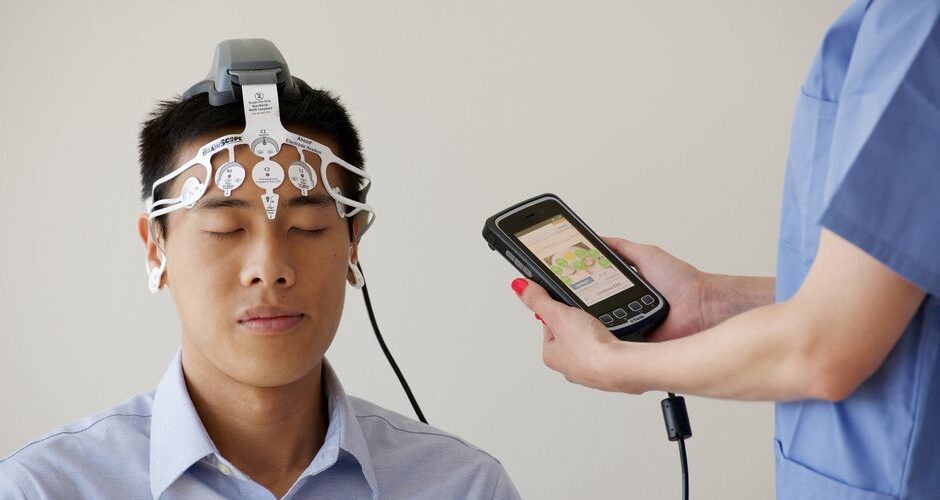
The underlying technology of neurointerfaces hinges on the ability to record and interpret brain signals. These interfaces typically employ methods such as Electroencephalography (EEG), which captures electrical activity via electrodes placed on the scalp, or more invasive techniques like neural implants. Current advancements have significantly improved the accuracy and resolution of these signals, allowing for intricate control over digital devices. In fact, recent studies from the University of California, Berkeley, demonstrated real-time translation of neural activity into digital commands with over 90% accuracy.
Revolutionizing Healthcare
One of the most promising applications of neurointerfaces is in medicine, particularly in aiding individuals with disabilities. Consider the progress in assisting quadriplegic patients: Stanford University has pioneered a neurointerface that allows users to type by merely imagining the motion of writing. This technology offers a lifeline, restoring communication capabilities to those who had lost them.
Moreover, neurointerfaces are proving transformative in mental health treatment. Companies like MindBridge are developing systems that can potentially detect early signs of depression or anxiety, providing timely interventions and personalizing therapy approaches. By 2026, the global neurotechnological therapeutics market is projected to reach $12 billion, reflecting its growing importance.
Enhancing Education and Learning
In education, neurointerfaces offer unprecedented opportunities to customize learning experiences. Imagine an AI-driven educational platform that adapts in real-time to a student’s cognitive load, providing optimal challenges and breaks to maximize retention and comprehension. Institutions like the Massachusetts Institute of Technology are already piloting such programs, gathering data to refine the interplay between brain activity and educational content delivery.
Entertainment and Gaming: A New Frontier
The entertainment industry is also tapping into the potential of neurointerfaces. Gaming experiences that respond to players’ emotional and mental states are already in development. Companies like NeuroPlay are unveiling games where narratives shift based on the player’s emotional engagement, offering a personalized journey that could redefine interactive storytelling.
Additionally, virtual reality (VR) applications integrated with neurointerfaces provide more immersive experiences, adjusting scenarios based on user engagement and stress levels. By 2027, experts predict that these technologies will create a $35 billion market, underscoring their vast potential.
Practical Takeaway: Embrace the Future
The age of neurointerfaces is not just on the horizon; it’s here, gently embedding itself into the fabric of daily life. Whether it’s in healthcare, education, or entertainment, these interfaces promise to enhance interaction, personalization, and engagement. As with any burgeoning technology, ethical considerations and privacy concerns must be addressed. However, the potential to enrich human lives and expand capabilities is immense. As we march further into 2026, it’s the perfect moment to embrace these innovations and consider how they might transform our own lives.