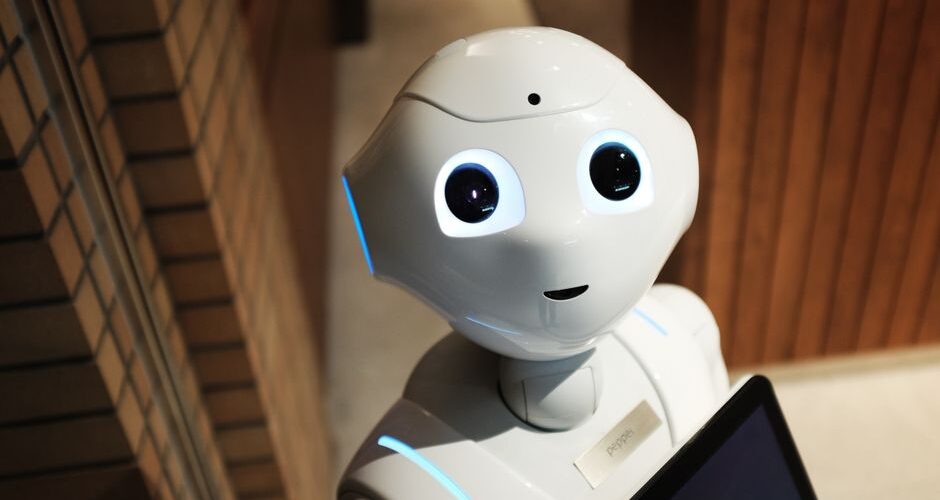
The Emotional AI Frontier
Artificial Intelligence has been a buzzword for years, but 2026 marks a significant shift: AI is evolving beyond mere data processing into the realm of emotional intelligence. Imagine a personal assistant that not only manages your calendar but also understands when you’re stressed and suggests a break. This new wave of AI is designed to recognize, interpret, and respond to human emotions. It’s not just about teaching machines to think like humans; it’s about teaching them to feel, or at least to recognize feelings.
How Emotional AI is Transforming Customer Service
In the realm of customer service, emotional AI is revolutionizing the experience. Major companies like Amazon and Tesla are integrating systems that detect customer sentiment through voice tone and choice of words during interactions. This allows for a more tailored response, potentially turning an upset customer into a loyal advocate. By 2027, it’s predicted that emotional AI will manage 60% of customer interactions, leading to faster resolutions and increased customer satisfaction.
The Role of Emotional AI in Healthcare
Healthcare is another sector benefiting immensely from emotional AI. In hospitals across New York, emotional AI systems are being used to monitor patient stress levels and predict mental health crises. This proactive approach enables healthcare providers to intervene before a situation escalates, thus reducing hospital readmission rates by up to 30%. Furthermore, virtual therapists powered by emotional AI are providing mental health support to patients who may not have access to traditional therapy.
Emotional AI in Personal Devices
Personal gadgets are also becoming emotionally intelligent. Companies like Apple and Samsung have introduced emotional AI features in their latest devices. Smartphones can now adjust notifications based on your emotional state – for instance, reducing non-urgent notifications when they detect you’re overwhelmed. Smart home devices have also joined the bandwagon, adjusting lighting and temperature to create a more comforting atmosphere when needed.
Privacy Concerns and Ethical Considerations
With great power comes great responsibility. The rise of emotional AI brings significant privacy concerns. The technology relies on personal data – from facial expressions to voice tones – raising questions about consent and data security. Organizations like the AI Ethics Alliance are actively developing guidelines to ensure that emotional AI systems are used responsibly. Transparency and user control over data are at the forefront of these discussions, aiming to build trust between users and AI developers.
Practical Takeaway: Integrating Emotional AI into Everyday Life
For those looking to embrace emotional AI in 2026, start by exploring available applications in customer service, healthcare, and personal gadgets. Whether you’re a business leader seeking to improve client relations or an individual aiming to enhance personal well-being, emotional AI offers new pathways for connection. Stay informed about privacy policies and choose platforms that prioritize ethical use to ensure a beneficial experience.